
Orthognathic Surgery in Orange, TX
Orthognathic surgery, also known as jaw surgery, corrects jaw bone irregularities and realigns the teeth and jaws. It can also improve the balance and harmony of your face.
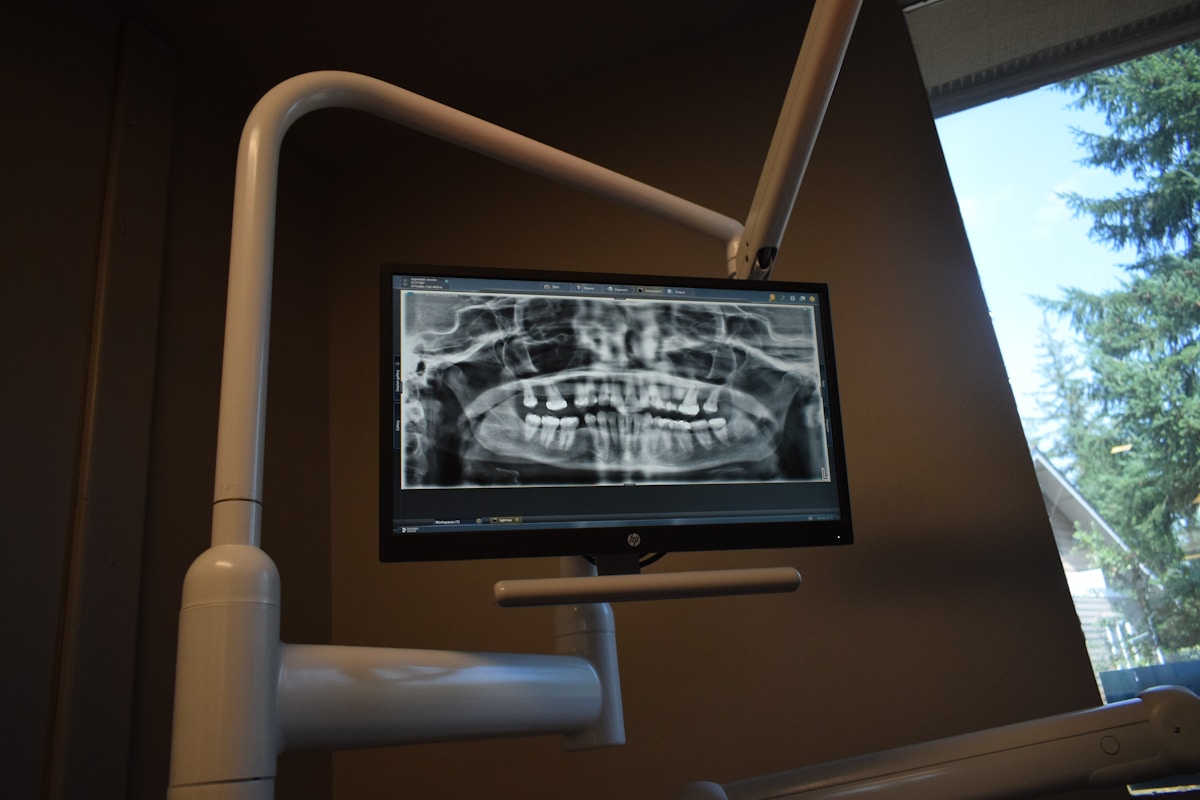
Understanding Orthognathic Surgery
When the upper and lower jaws are significantly out of balance, orthodontics alone can straighten the teeth but cannot fully correct how the jaws meet. Orthognathic, or corrective jaw, surgery repositions the jaw bones themselves to restore proper function, improve chewing, breathing, and speech, and bring greater harmony to the face. It's typically reserved for more severe skeletal discrepancies that develop as the jaws grow.
This is a coordinated, team-based treatment. We handle the orthodontic movement of your teeth before, during, and after surgery, while a trusted oral and maxillofacial surgeon performs the procedure. From the first consultation through your final result, we plan every step together so you always know what to expect.
How Orthognathic Surgery Works
Orthognathic surgery can correct the upper jaw (maxilla), the lower jaw (mandible), or both when they don't line up. Braces or aligners first move the teeth into the correct position for the jaws' new alignment, then the surgeon repositions the bone, and finally we fine-tune the bite as everything heals. We coordinate closely with your surgical team throughout the entire process.
Conditions It Can Correct
Jaw surgery is often recommended for a severe underbite, overbite, or open bite, facial imbalance, difficulty chewing or biting, chronic jaw pain, or breathing issues such as obstructive sleep apnea related to jaw structure. Your evaluation determines whether surgery is truly necessary or whether orthodontics alone can achieve your goals.
Benefits
- Corrects severe bite and jaw alignment problems orthodontics alone cannot
- Improves chewing, biting, speech, and in some cases breathing
- Creates lasting facial balance and harmony
- Fully coordinated care between our team and your surgeon
- A stable, long-term result once healing is complete
Is this right for you?
- Severe underbite, overbite, or open bite
- Noticeable facial or jaw imbalance
- Difficulty chewing, biting, or speaking clearly
- Jaw-related breathing or sleep concerns
What to Expect
- 1
Comprehensive evaluation
We use 3D imaging and a detailed exam to confirm whether jaw surgery is needed and to design a coordinated plan with your surgeon.
- 2
Pre-surgical orthodontics
Braces or aligners position your teeth so they'll fit correctly once the jaws are realigned. This phase usually takes several months to a year.
- 3
Corrective surgery
Your oral surgeon repositions the jaw bone or bones. We stay in close contact with the surgical team before and after the procedure.
- 4
Finishing and retention
After healing, we refine your bite for a precise finish, then provide a retainer to protect your new alignment.
Frequently Asked Questions
Do I really need jaw surgery, or will braces be enough?+
Braces and aligners can move teeth beautifully, but they can't reposition the jaw bones. Surgery is only recommended when the skeletal discrepancy is significant enough that orthodontics alone won't create a healthy, stable bite. Your evaluation will make this clear.
How long does the whole process take?+
Most orthognathic cases span roughly one to two years, including pre-surgical orthodontics, the procedure itself, and finishing work after healing. We'll map out a personalized timeline for you.
Who performs the surgery?+
The surgery is performed by an oral and maxillofacial surgeon. We coordinate closely with a trusted surgical partner and manage all of the orthodontic care around the procedure.
Is jaw surgery covered by insurance?+
Because it corrects functional problems, orthognathic surgery is often at least partly covered by medical insurance. Our team will help you understand your benefits and coordinate the paperwork.
What is recovery like?+
Initial recovery typically takes a few weeks, with a soft-food diet and swelling that gradually subsides. Your surgeon will provide detailed aftercare instructions, and we'll adjust your orthodontic care as you heal.
Ready to visit our Orange office?
Book your complimentary consultation today, no referral needed. We'll walk you through your options and build a plan that fits your life and budget.